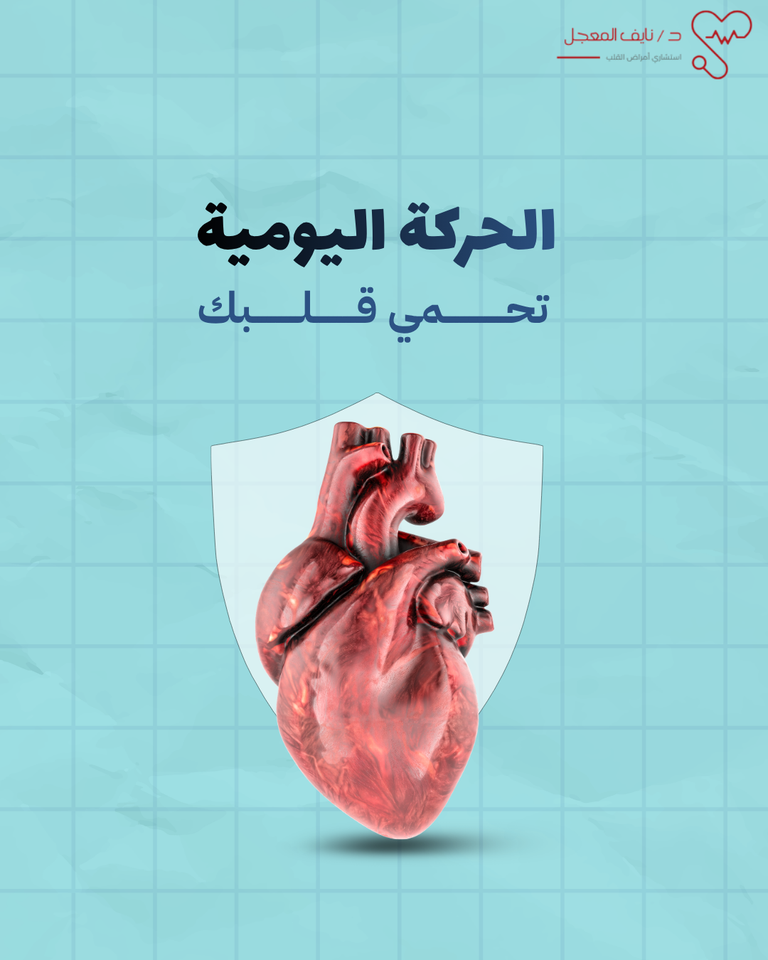

How to take care of your heart health? A comprehensive guide to maintaining a healthy heart.

How to take care of your heart health? A comprehensive guide to maintaining a healthy heart.
The heart is one of the most vital organs in the human body, responsible for pumping oxygenated blood and nutrients throughout the body. Therefore, caring for heart health shouldn’t be contingent on the appearance of symptoms or the onset of heart disease, but rather should begin early by adopting a healthy lifestyle that helps reduce risk factors and maintain cardiovascular health.
Many factors affect heart health, including diet, physical activity, weight, blood pressure, cholesterol levels, smoking, stress, the presence of certain chronic diseases, and family history. The good news is that many of these factors can be controlled through simple, sustainable lifestyle changes.
ما أهمية الاهتمام بصحة القلب؟
Cardiovascular diseases are among the most common health problems worldwide, and they can develop gradually without noticeable symptoms in the early stages. Therefore, prevention and regular checkups play a crucial role in detecting risk factors early.
Paying attention to heart health helps maintain efficient blood circulation, and reduces the likelihood of developing atherosclerosis, high blood pressure, coronary artery disease and other cardiovascular problems.
1. Follow a heart-healthy diet
A healthy diet is one of the most important steps for maintaining heart health. Be sure to eat a variety of vegetables, fruits, whole grains, legumes, and nuts, along with choosing healthy protein sources and fish.
It is best to reduce foods that contain large amounts of saturated fat, trans fat, salt and added sugars, especially processed foods and fast food.
It is also advisable to pay attention to portion sizes, because eating large amounts of food on a regular basis can lead to weight gain, which is one of the factors that can affect heart health.
2. Engage in regular physical activity
Regular exercise helps improve physical fitness and supports cardiovascular health. Suitable activities can include brisk walking, cycling, swimming, or other activities that suit a person’s health condition.
If you are not used to exercising, it is best to start gradually and increase your activity level over time. If you have a heart condition or certain health symptoms, you should consult your doctor before starting a new exercise program.
3. Maintaining a healthy weight
Overweight and obesity can be associated with high blood pressure, abnormal blood lipid levels, and an increased risk of diabetes, all of which can in turn affect heart health.
Therefore, achieving or maintaining a healthy weight through a balanced diet and physical activity can be an important part of a strategy to prevent heart disease.
4. Monitoring blood pressure and cholesterol
High blood pressure or high cholesterol may not cause obvious symptoms, which is why regular checkups are important, especially for people with risk factors.
Regularly measuring blood pressure and having blood lipid tests helps detect problems early, and then a doctor can determine whether a lifestyle change or appropriate treatment is needed.
5. Avoid smoking
Smoking is a factor that negatively affects the heart and blood vessels. Furthermore, continuous exposure to tobacco smoke can increase the risk of developing various health problems.
Therefore, quitting smoking is one of the most important steps you can take to maintain heart health. Medical assistance can be sought if you need a program to help you quit more effectively.
6. Get enough sleep and reduce stress
Heart health isn’t just about diet and exercise; it also includes sleep and mental health. Chronic sleep deprivation and stress can be linked to a number of heart risk factors.
Practicing breathing and relaxation exercises, regulating sleep time, and reducing daily stress can help improve overall lifestyle.
7. Undergoing regular medical check-ups
Even in the absence of symptoms, regular checkups can be useful for assessing risk factors for heart disease, especially if there is a family history or other risk factors.
Medical assessments may include measuring blood pressure, checking cholesterol and blood sugar levels, assessing weight and body mass index, in addition to other tests determined by the doctor according to the case.
When should you see a cardiologist?
Symptoms that may indicate a heart problem, such as chest pain or pressure, shortness of breath, unusual palpitations, dizziness or fainting, or unexplained fatigue, should not be ignored. Some symptoms may require urgent medical evaluation.
Summary
Maintaining heart health starts with daily habits. Eating a balanced diet, engaging in physical activity, maintaining a healthy weight, monitoring blood pressure and cholesterol levels, avoiding smoking, and getting good sleep are all steps that help support heart health.
Most importantly, do not wait until the disease develops; prevention and early detection can help reduce risk factors and maintain long-term heart health.