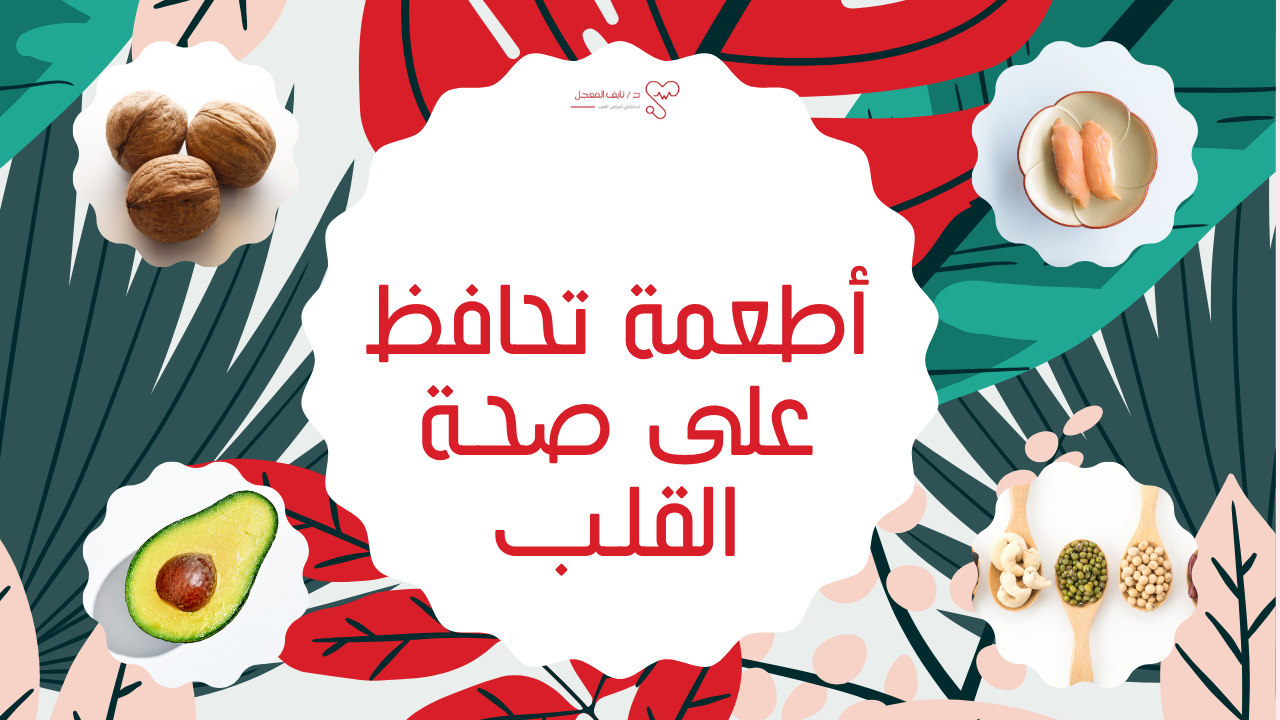
Foods that are good for the heart: The best foods for cardiovascular health
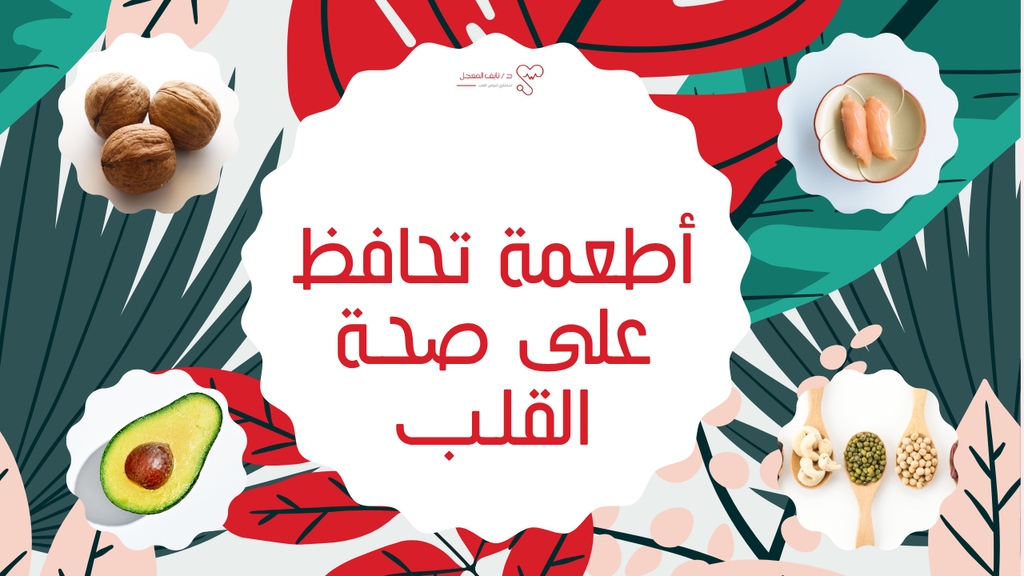
Foods that are good for the heart: The best foods for cardiovascular health
Diet plays a vital role in maintaining cardiovascular health. Choosing the right foods can help improve overall diet quality and may also contribute to controlling certain risk factors such as weight, blood pressure, cholesterol levels, and blood sugar.
No single meal can protect the heart on its own, but a balanced diet based on a variety of natural, nutrient-rich foods can be an important part of a heart-healthy lifestyle.
Here is a list of the best heart-healthy foods that can be included in your daily diet.
1. Fatty fish
Fish such as salmon, sardines and mackerel are good food choices, as they are a source of protein and contain omega-3 fatty acids.
Fish can be eaten as part of a balanced diet several times a week, choosing healthy cooking methods such as grilling or baking instead of deep frying.
2. Leafy green vegetables
Spinach, arugula, lettuce and other leafy greens can be an important part of a heart-healthy diet.
These vegetables are characterized by containing a range of vitamins, minerals and fiber. Introducing more vegetables into meals helps improve the quality of the diet and reduce dependence on processed foods.
They can be added to salads or soups or eaten as part of a balanced meal.
3. Fresh fruits
Fruits such as apples, oranges, berries, strawberries and pomegranates can be good choices within a balanced diet.
Fruits provide fiber, vitamins, and a variety of beneficial plant compounds. It’s best to eat whole fruit rather than relying primarily on juices, as whole fruit contains fiber and helps you feel full.
4. Oats and whole grains
Oats and whole grains are foods that can help increase the amount of fiber in the diet.
Oatmeal can be eaten for breakfast with fruit and nuts, and whole-grain bread and brown rice can be chosen instead of some refined products.
5. Nuts
Almonds, walnuts, pistachios and other unsalted nuts can be a good addition to the diet.
Nuts contain unsaturated fats, protein and fiber, but they are high in calories, so it is best to eat them in moderation.
Choose unsalted or low-salt nuts, and avoid varieties that contain large amounts of added salt, sugar, or fat.
6. Legumes
Beans, lentils, and chickpeas are foods rich in fiber and plant protein, and can be a useful alternative to some animal protein sources that are high in saturated fat.
Lentils can be added to soup, chickpeas can be used in salads, or beans can be eaten as part of a balanced meal.
7. Olive oil
Olive oil is a source of unsaturated fats and can be used instead of some solid fats and saturated fats in food preparation.
It can be used in salads and cooking in moderate amounts, keeping in mind that all oils contain calories, so quantity is important even when choosing healthy fats.
8. Avocado
Avocados contain unsaturated fats and fiber, and can be used in salads or with whole-grain bread.
However, avocados are high in calories, so it is best to consume them in appropriate portions and according to a person’s nutritional needs.
9. Low-fat yogurt and dairy products
Low-fat or fat-free dairy products can be part of a balanced diet, especially when choosing products that contain low amounts of added sugar.
It is advisable to read the food label and choose products lower in sugar and salt when appropriate.
10. Water instead of sugary drinks
Choosing water instead of sodas and sweetened beverages can reduce the amount of added sugar and calories in the diet.
Lemon slices or some fruit can be added to the water to give it a natural flavor without relying on sugary drinks.
Foods that should be consumed in moderation for heart health
In addition to eating heart-healthy foods, it is also important to reduce foods that contain large amounts of salt, added sugars, saturated fats, and trans fats.
Examples include some fast food, highly processed foods, processed meats, large quantities of sweets, and sugary drinks.
This does not mean that it is necessary to prevent all of these foods completely, but rather that it is better for healthy foods to be the largest part of the daily diet.
How do you build a heart-healthy meal plan?
You can start in a simple way: make a large part of your plate vegetables, add a healthy source of protein such as fish or legumes, choose a source of whole grains, with an appropriate amount of healthy fats such as olive oil or nuts.
Variety is also very important; do not rely on one type of food to get all the nutrients your body needs.
Summary
Heart-healthy foods aren’t magic bullets, but rather part of a holistic lifestyle. Vegetables, fruits, whole grains, fish, nuts, legumes, and olive oil can be essential components of a balanced diet that supports heart health.
Along with following a healthy diet, it is also important to engage in physical activity, maintain a healthy weight, monitor blood pressure, cholesterol and blood sugar, and consult a doctor if there are risk factors or chronic diseases.
If you have heart disease, high cholesterol, diabetes, or high blood pressure, you may need a diet plan that is especially suited to your health condition, and therefore it is best to consult a doctor or nutritionist before making major changes to your diet.