
Acute Coronary Syndrome
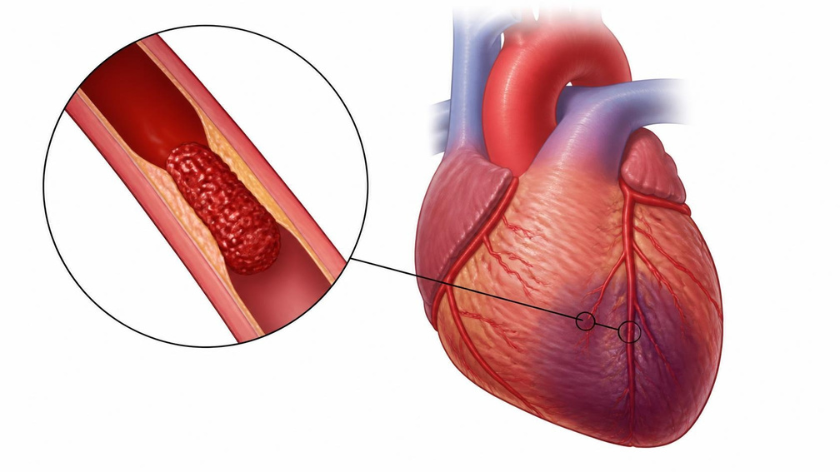
Acute coronary syndromes: symptoms, diagnosis, and treatment
Acute coronary syndromes are a group of conditions that occur due to a sudden decrease in blood flow to the heart muscle caused by a problem in one of the coronary arteries. These syndromes include unstable angina and some types of myocardial infarction (heart attack), and they are medical conditions that require rapid evaluation to minimize the risk of heart muscle damage.
How do acute coronary syndromes occur?
The problem often begins with a tear or erosion of one of the fatty deposits inside the wall of a coronary artery, leading to the formation of a blood clot that may narrow or block the artery. The more severe the blockage, the less blood and oxygen reach the heart muscle.
Key symptoms
Chest pain, or a feeling of pressure and heaviness in the center of the chest, is one of the most common symptoms. The pain may radiate to the arm, shoulder, back, neck, or jaw. It can also be accompanied by shortness of breath, excessive sweating, nausea, dizziness, and unusual fatigue.
Symptoms can vary from person to person, so chest pain or sudden symptoms that may indicate a heart problem should not be ignored.
Diagnosis of acute coronary syndromes
Diagnosis begins with assessing symptoms and medical history, followed by an electrocardiogram (ECG) and blood tests to help detect heart muscle damage. The doctor may also need to perform coronary angiography to determine the location and severity of the blockage.
Treatment
Treatment for acute coronary syndromes depends on the type of condition and the extent of arterial blockage. Treatment may include antiplatelet drugs and other medications that help improve blood flow and reduce the risk of blood clots.
In certain cases, coronary angioplasty is necessary to open the artery and restore blood flow. Accessing appropriate treatment as quickly as possible is crucial in minimizing damage to the heart muscle and improving outcomes.
The importance of prevention
The risk of developing the disease can be reduced by controlling blood pressure, cholesterol and diabetes, quitting smoking, maintaining a healthy weight, exercising regularly and following a balanced diet.