
Structural heart diseases
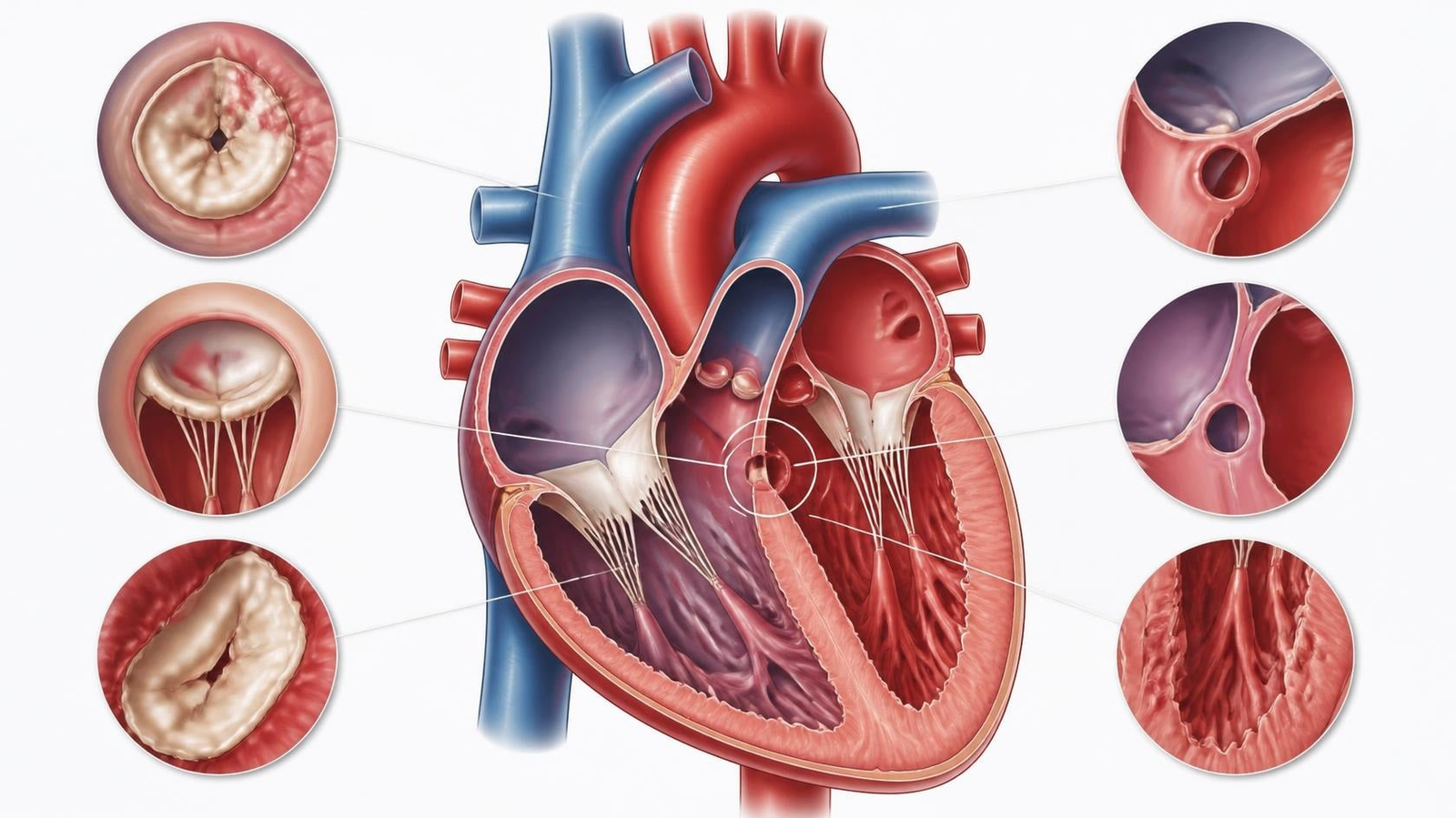
Structural heart diseases: diagnosis, treatment, and major cases
Structural heart disease refers to a group of conditions that affect the structure of the heart, its valves, chambers, or the spaces between the chambers. These diseases can be present from birth or develop at different stages of life as a result of aging or other illnesses.
What are the most important structural heart diseases?
Structural heart diseases encompass a wide range of conditions, most notably valvular heart diseases such as aortic stenosis or valve regurgitation. They also include certain congenital defects affecting the structure of the heart or the septa between its chambers.
Symptoms may vary depending on the type and severity of the disease, and in some cases, symptoms may not appear until the condition has progressed.
Symptoms of structural heart disease
Symptoms can include shortness of breath, fatigue, dizziness, chest pain, heart palpitations, and swelling of the legs or ankles. In advanced cases, symptoms may appear with exertion or even at rest.
How is the diagnosis made?
Diagnosing structural heart disease relies on assessing symptoms and conducting a physical examination, in addition to using cardiac imaging techniques. Echocardiography, or echocardiography, is one of the most important tests that helps evaluate the heart valves, heart muscle function, and blood flow.
The doctor may need additional tests such as cardiac CT scans, cardiac MRIs, or catheterization in some cases.
Treating structural heart diseases
Treatment depends on the type and severity of the disease and the patient’s condition. Regular monitoring and medication may be sufficient in mild cases, while more advanced cases may require repair or replacement of a heart valve.
With advancements in interventional cardiology, it has become possible to treat certain structural heart conditions using catheterization instead of open surgery in appropriate cases. The physician determines the best option after a thorough evaluation of the individual case.
The importance of early diagnosis
Early detection of structural heart disease helps in monitoring its progression and selecting the appropriate treatment in a timely manner. Therefore, the appearance of symptoms such as persistent shortness of breath, chest pain, fainting, or unusual fatigue warrants a consultation with a cardiologist for proper evaluation.